Article: When Does My Baby Need Sunglasses?
When Does My Baby Need Sunglasses?
The sun is shining, you're out for a walk, and you start wondering: does my baby actually need sunglasses? The answer surprises a lot of parents. It's: sooner than you think.
Babies' eyes aren't just small versions of adult eyes. They work in fundamentally different ways, and that has real consequences for the kind of protection your baby needs. In this guide, you'll learn why UV protection for babies isn't overprotective, at what age sunglasses actually become useful, and what to really look out for when buying a pair.
Why babies' eyes need more protection than adult eyes
A newborn's eye is a little marvel, but it's far from finished developing. The eye lens keeps developing until around age eight. In the first two years of life, it's still so clear and transparent that it barely functions as a natural UV filter.
What that means in practice: babies' eyes let up to 70 % more UV radiation through to the retina than an adult's eyes do. That radiation is invisible, but it's not harmless. UVA and UVB rays can damage delicate retinal tissue and increase the long-term risk of cataracts and other eye conditions.
On top of that, babies and toddlers often spend more time outdoors than their parents. They nap in the pushchair in the midday sun, play at the beach, sit in the snow. Reflective surfaces like sand, water and snow can increase UV intensity by up to 80 %, even under cloudy skies.
Babies' eyes don't need less protection than adults' eyes. They need more.
At what age do sunglasses make sense for babies?
Medically speaking, UV protection is recommended from day one, as soon as your baby goes outside. That doesn't mean you need to put sunglasses on your newborn right away. In the first few weeks, a pushchair canopy and shade offer very good protection.
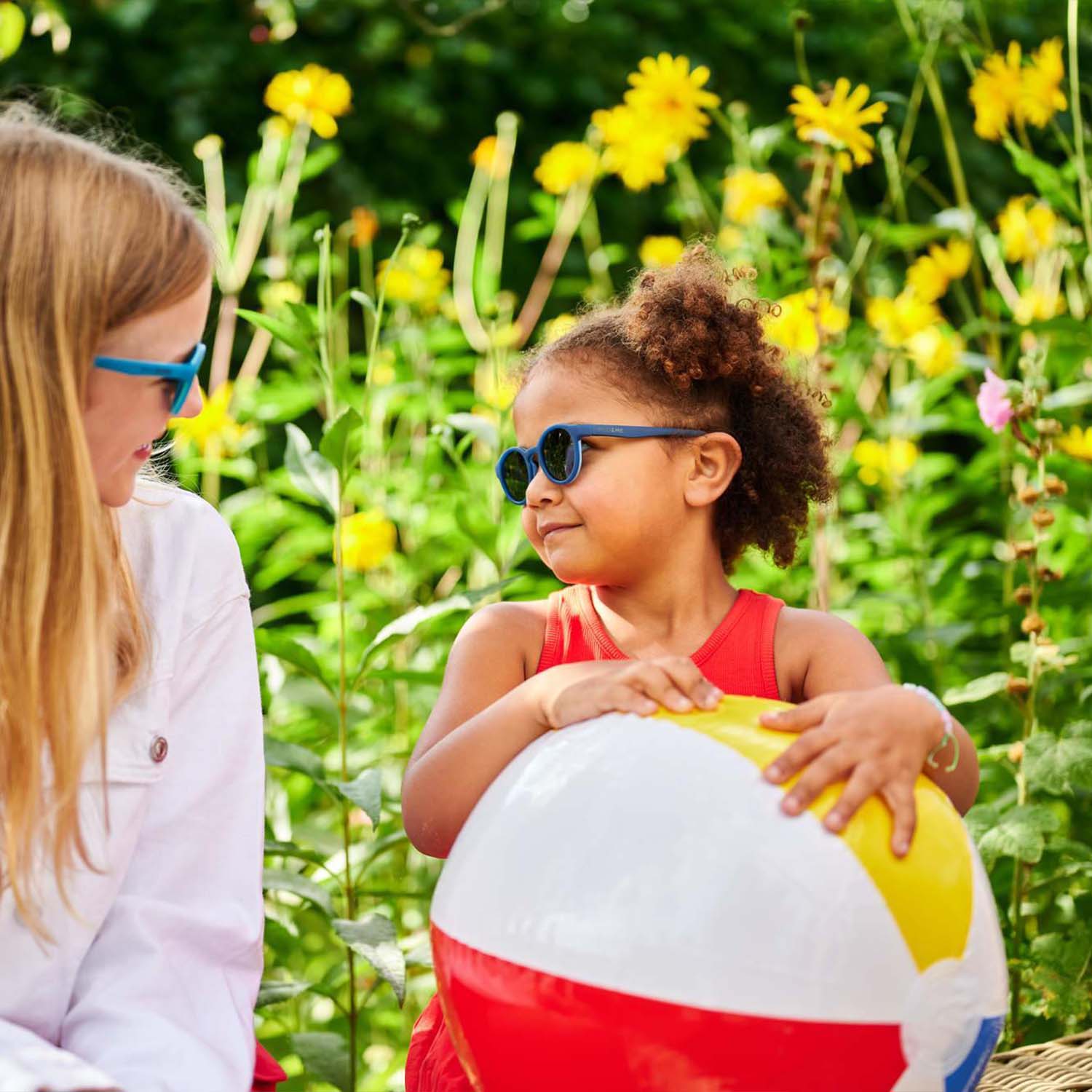
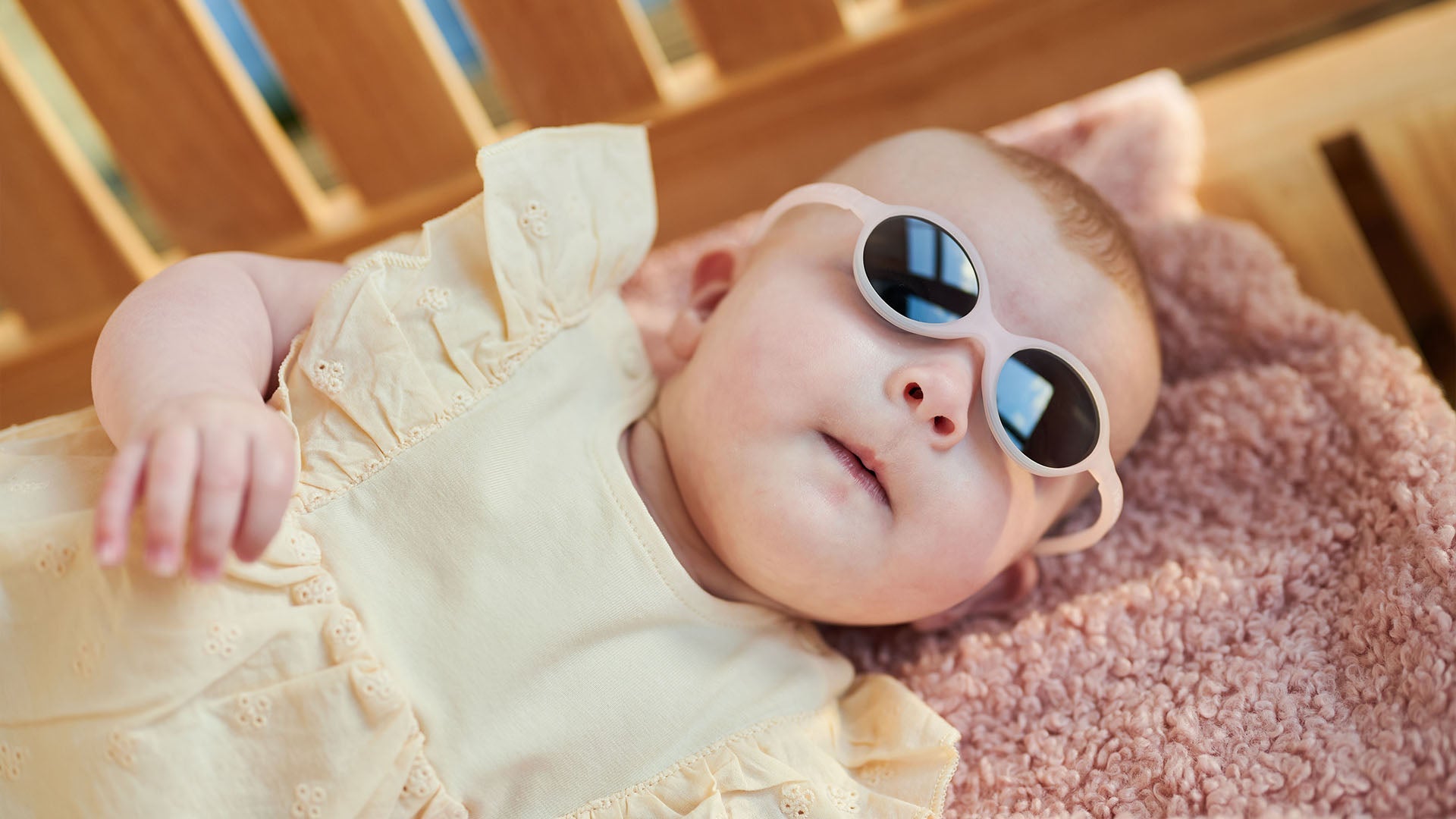
But once babies become more alert, from around 3 to 6 months, start turning their heads deliberately, and spend more time sitting up or being carried, sunglasses become increasingly important. From this age on, eye doctors clearly recommend sunglasses whenever a child is outdoors. A baby sunglasses for 0 to 2 year olds with a soft headband is ideal for this, since it stays securely in place without pinching.
The first two years of life are considered a particularly critical phase: the eye lens is at its most transparent, and any UV damage that occurs during this time is irreversible. What happens now affects eye health for a lifetime.
A simple rule of thumb: if you're wearing sunglasses yourself, your baby needs them too.
What to look for when buying baby sunglasses
Not every pair of sunglasses truly protects. This is especially true for babies: the wrong model can actually do more harm, because tinted lenses cause the pupil to widen, letting in even more UV radiation if there's no filter behind them. So make sure to check the following criteria:
1. UV400 protection: the bare minimum
This one is non-negotiable. UV400 means 100 % of UV radiation up to a wavelength of 400 nanometers is filtered out, that's UVA and UVB completely blocked. Look for the UV400 label and the CE mark on the glasses. Without this certification, the level of protection isn't verified.
2. Lens category: category 2 or 3
For everyday use, tint category 2 lenses (medium tint) are sufficient. At the beach, in the snow or in the mountains, category 3 (strong tint) is recommended. Category 4 usually isn't necessary for babies.
3. Shatterproof plastic lenses, never glass
Babies' eyes need to be protected not just from the sun, but from the glasses themselves. Polycarbonate lenses are extremely shatterproof and safe even if your baby falls. Never use glass lenses for babies and toddlers.
4. BPA-free, safety-tested materials
Babies put everything in their mouths. Frames that come into contact with skin should be BPA-free and made from skin-friendly materials. Look for compliance with European safety standards for children's products.
5. A snug fit with a neoprene or silicone band
Classic glasses temples rarely stay put on babies. What really works: a soft, adjustable headband made of neoprene or silicone that closely follows your baby's individual head shape. It keeps the glasses from sliding down or shifting sideways, even during active play.
6. Side protection: no light getting in from the sides
The frame should be shaped so that no UV light can enter from the sides. A slightly curved, close-fitting frame design is ideal for this.
Tips for getting your baby used to sunglasses
Many parents ask: "My baby pulls the glasses off right away. What can I do?" That's completely normal. Patience and a smart approach help here:
- Start with short sessions: 2 to 3 minutes at a time, then take them off. Repeat daily.
- Create positive associations: put the sunglasses on during something exciting (the playground, a walk).
- Lead by example: when mum or dad wears sunglasses, baby will imitate them.
- Make sure the fit is right: glasses that slip are annoying right away. A good fit means they'll stay on longer.
From around 12 to 18 months, most toddlers accept sunglasses much more readily, especially if they've been used to them from the start.
The right baby sunglasses for 0 to 2 year olds
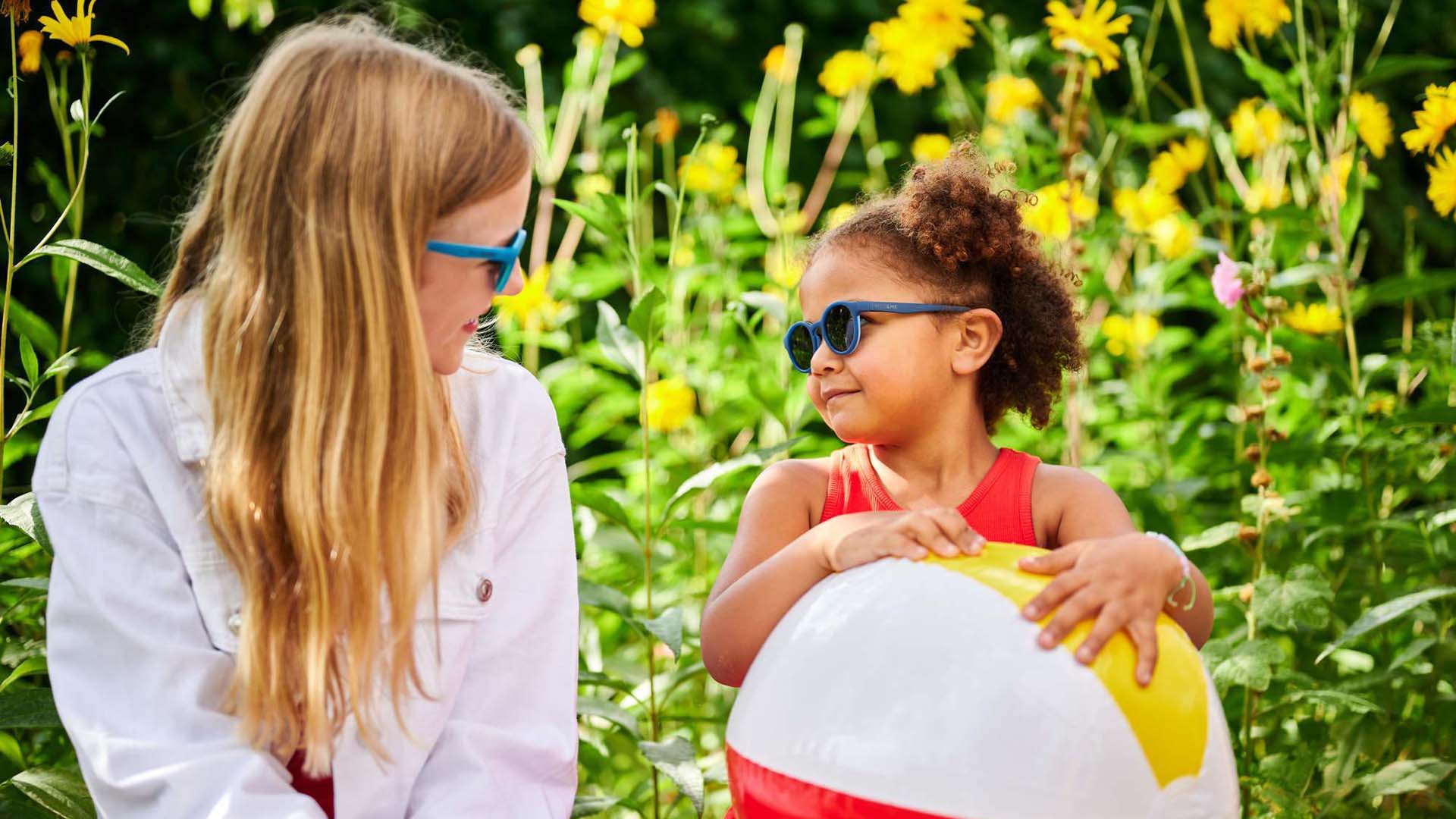
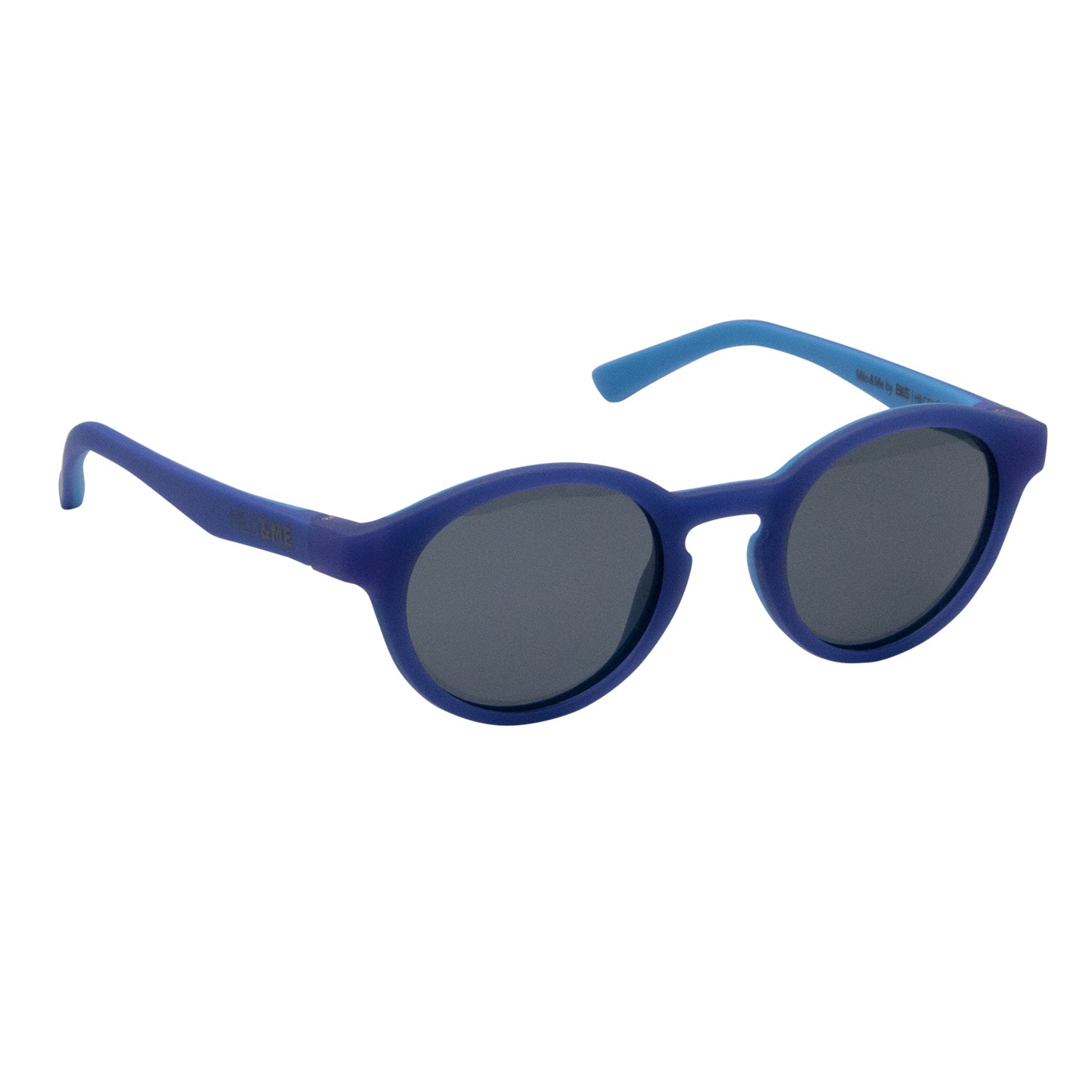
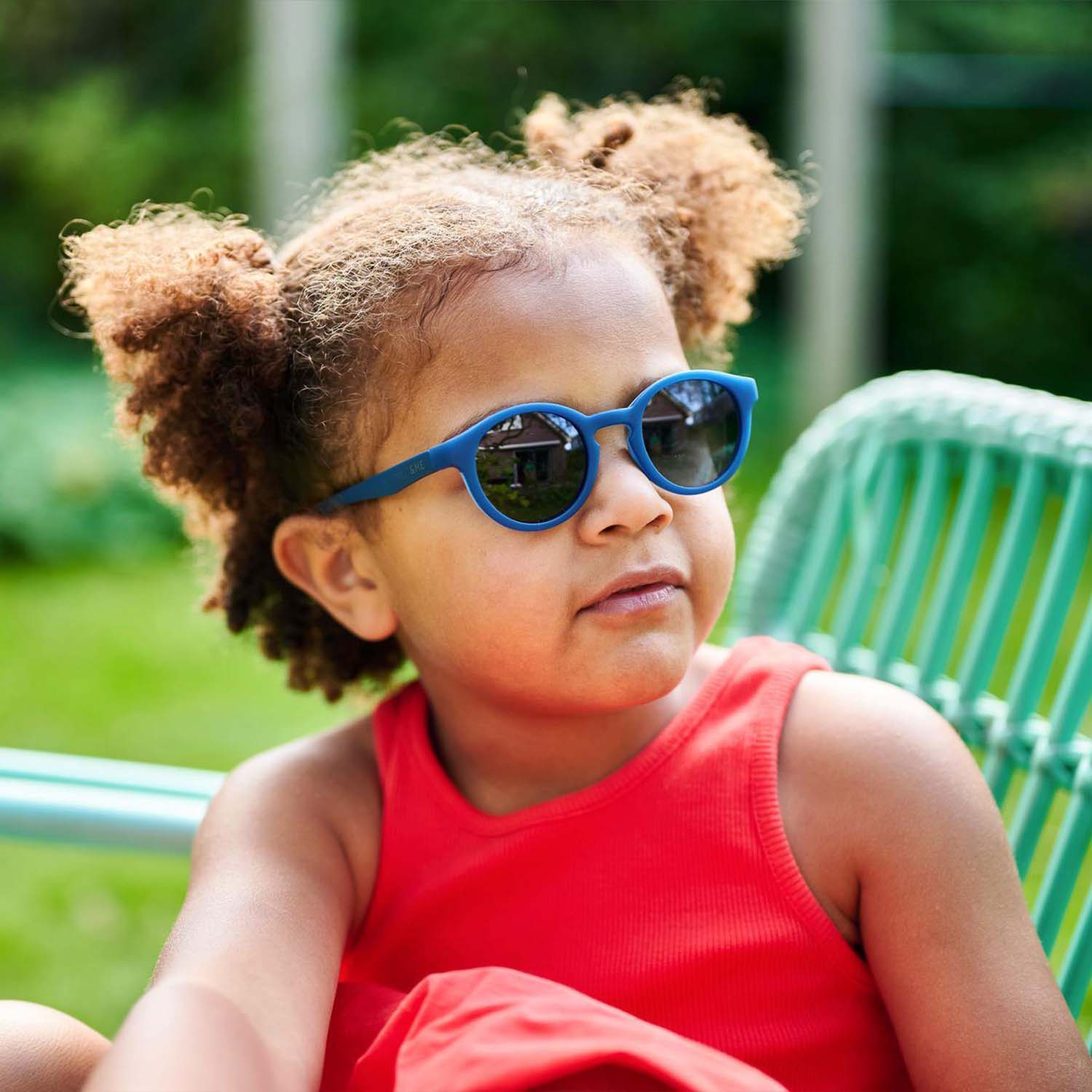
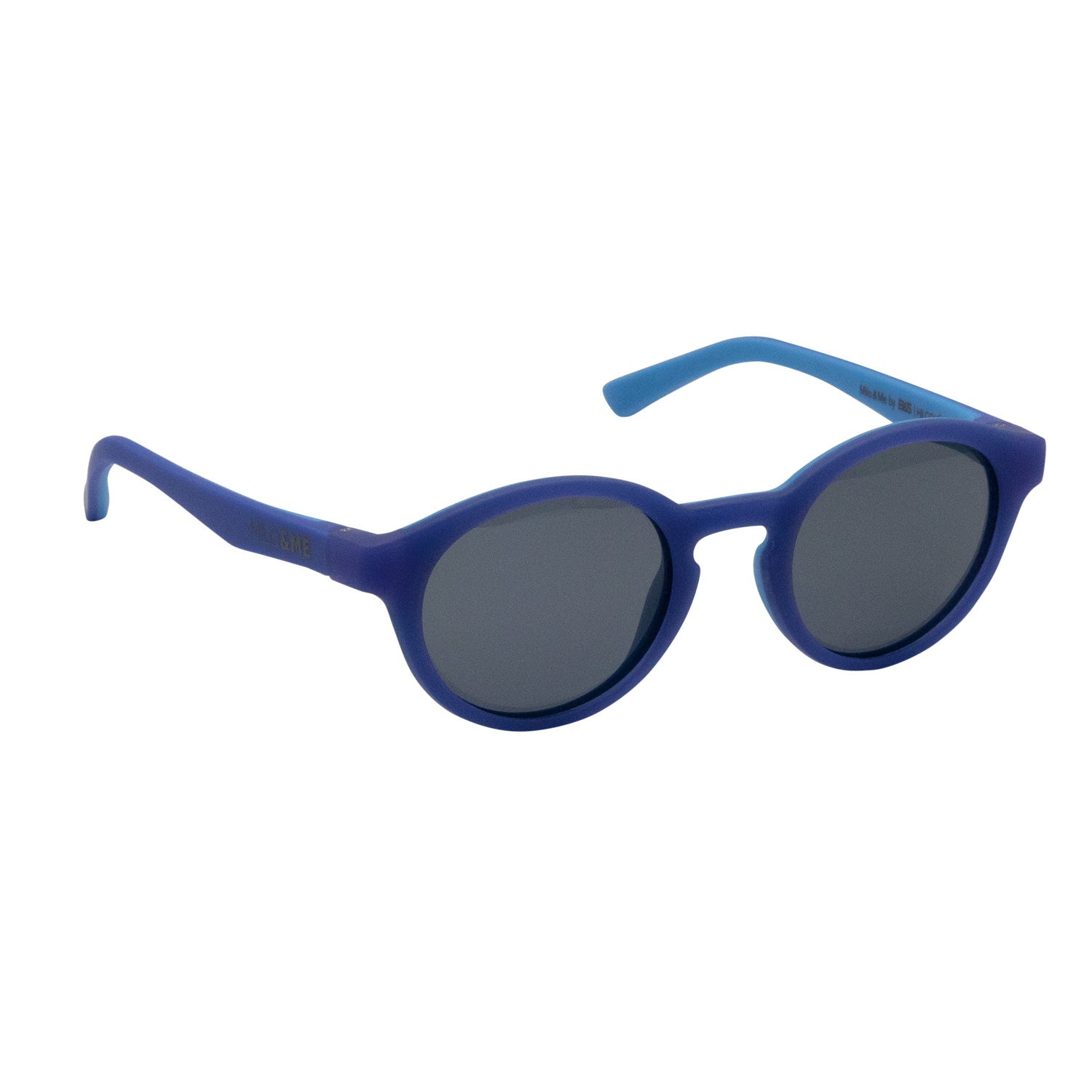
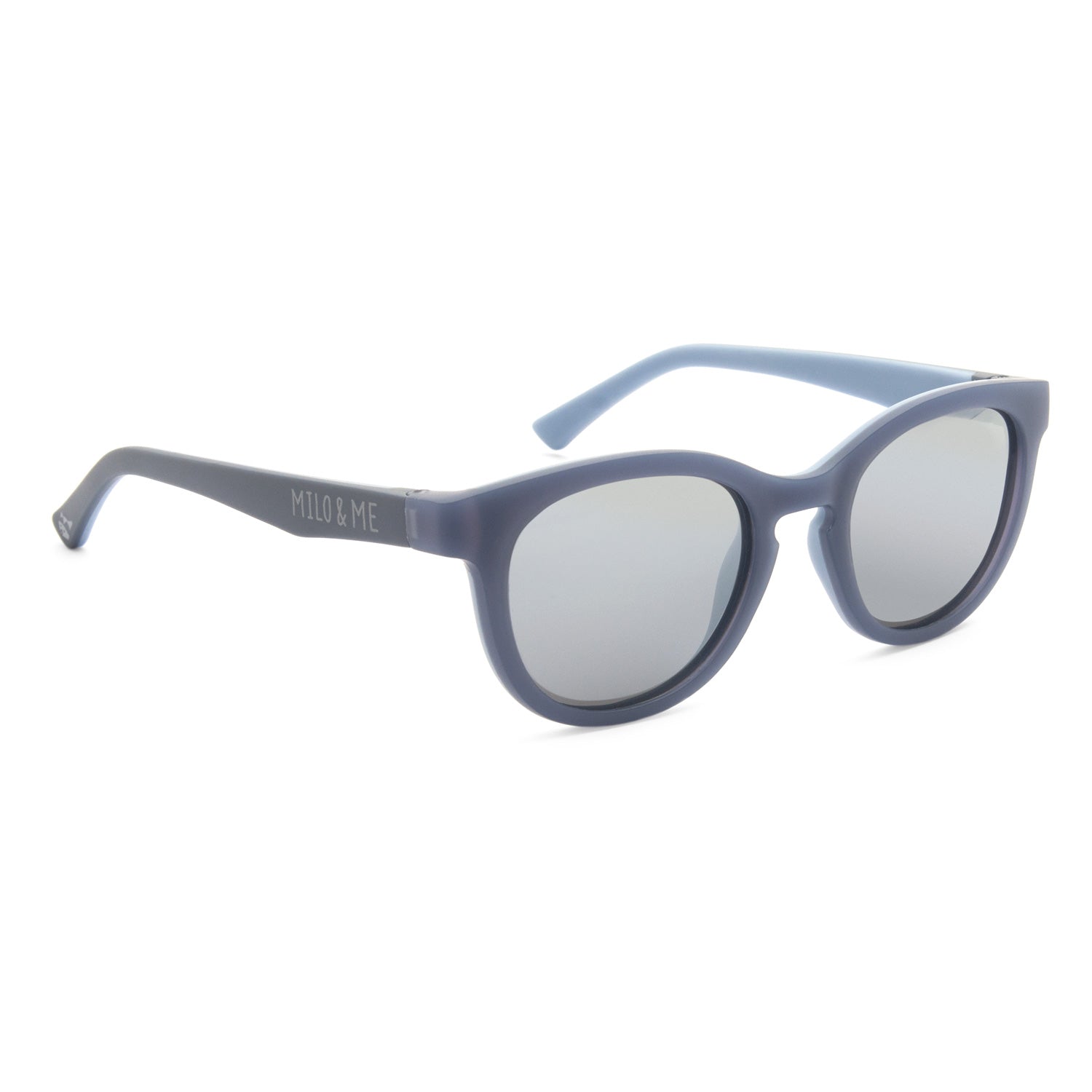
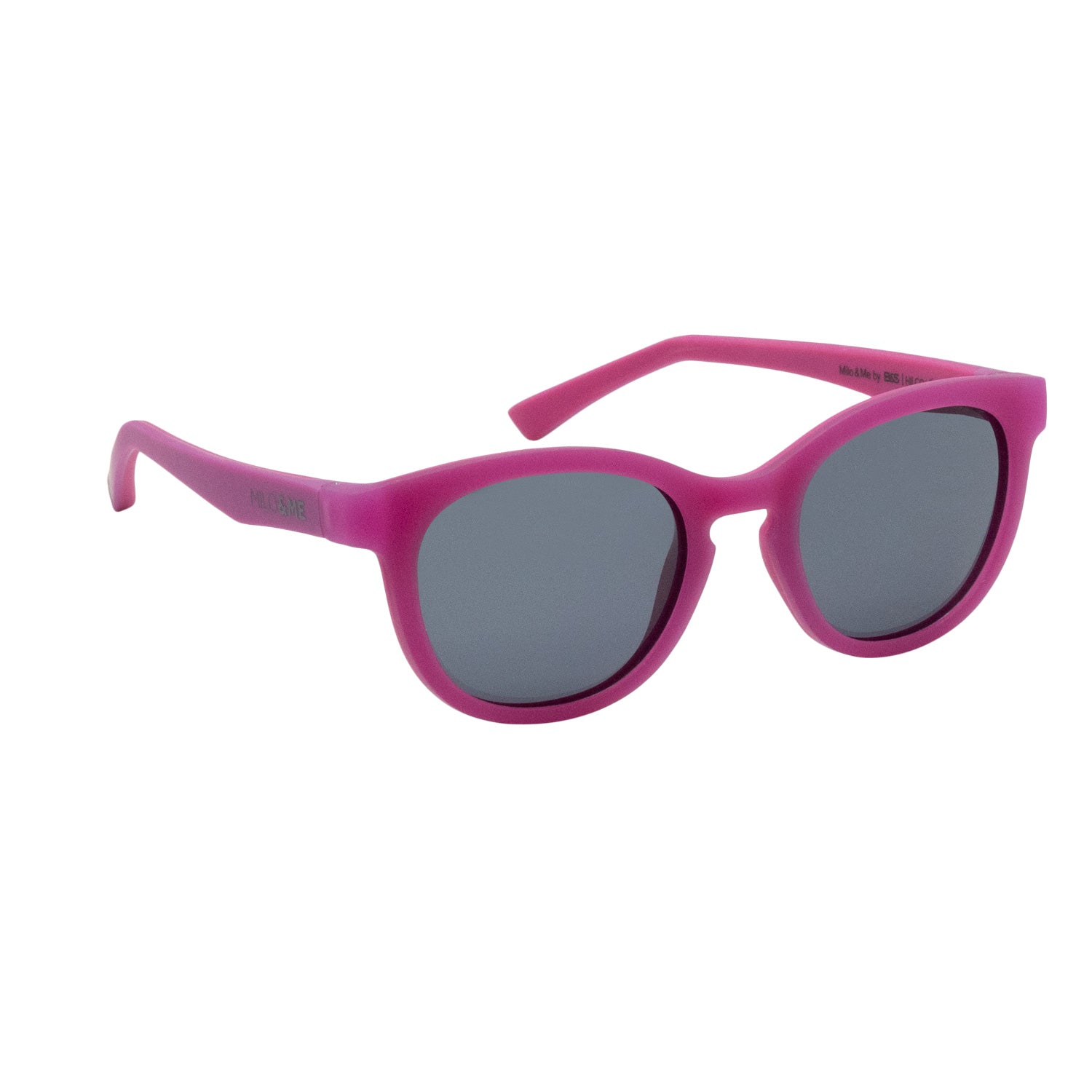
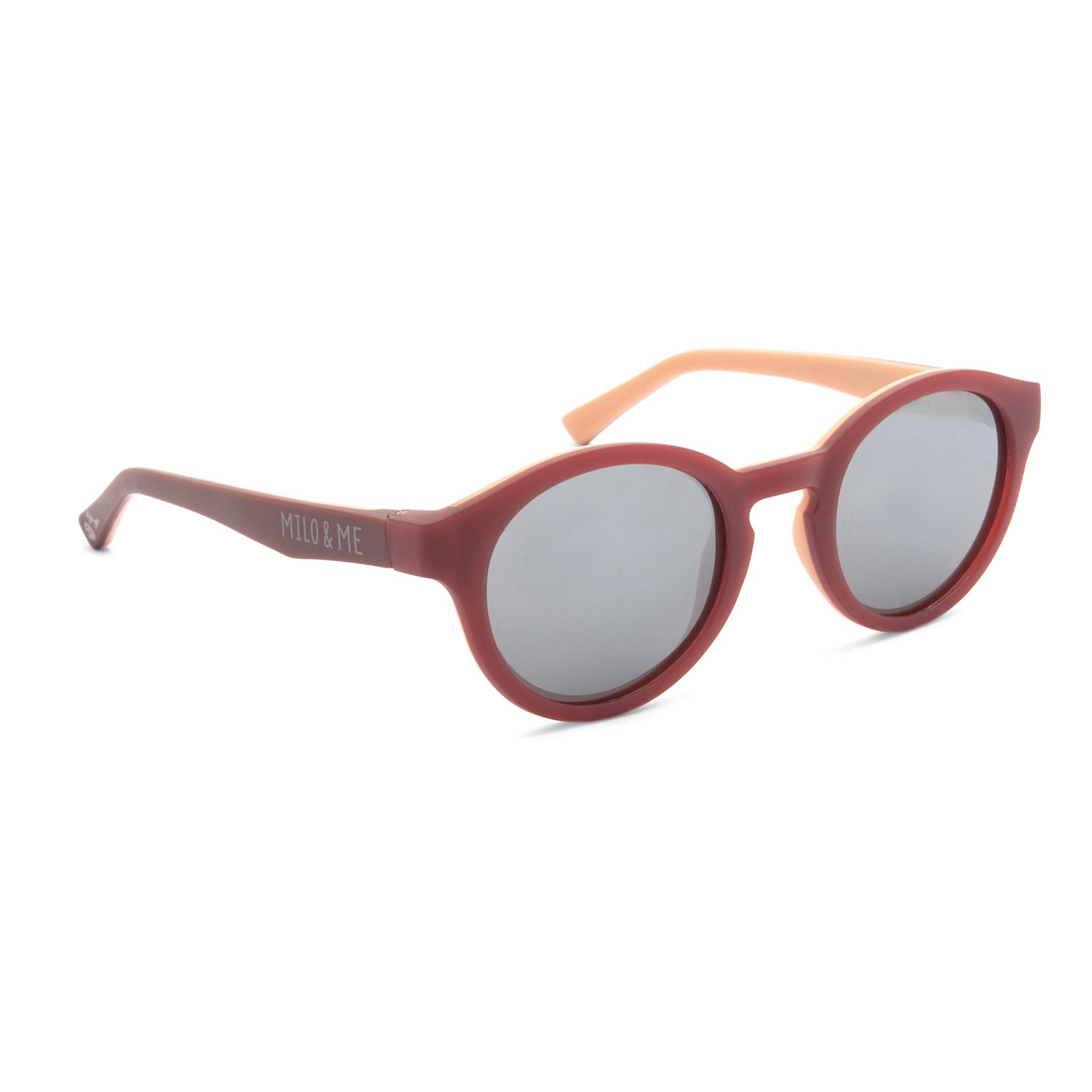
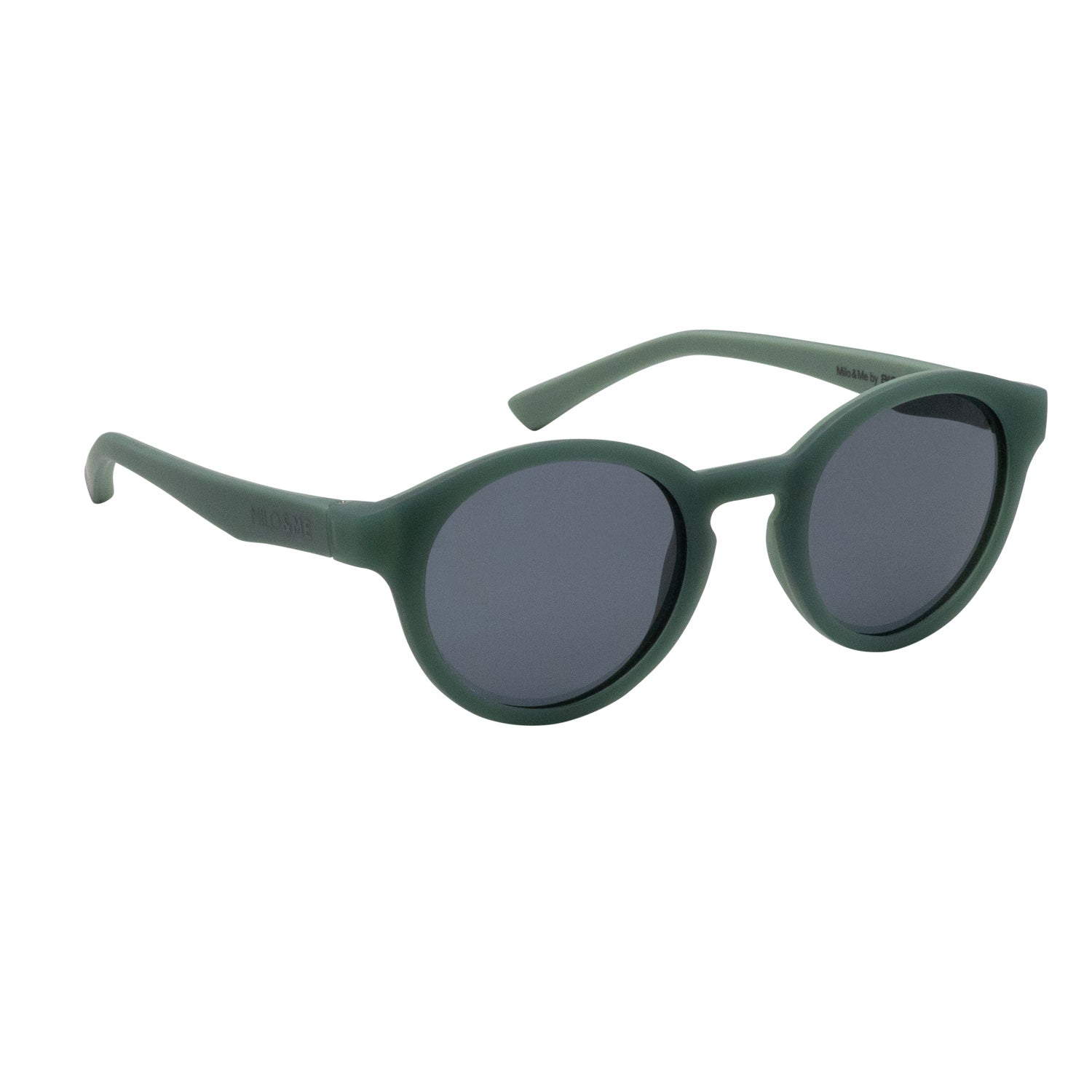
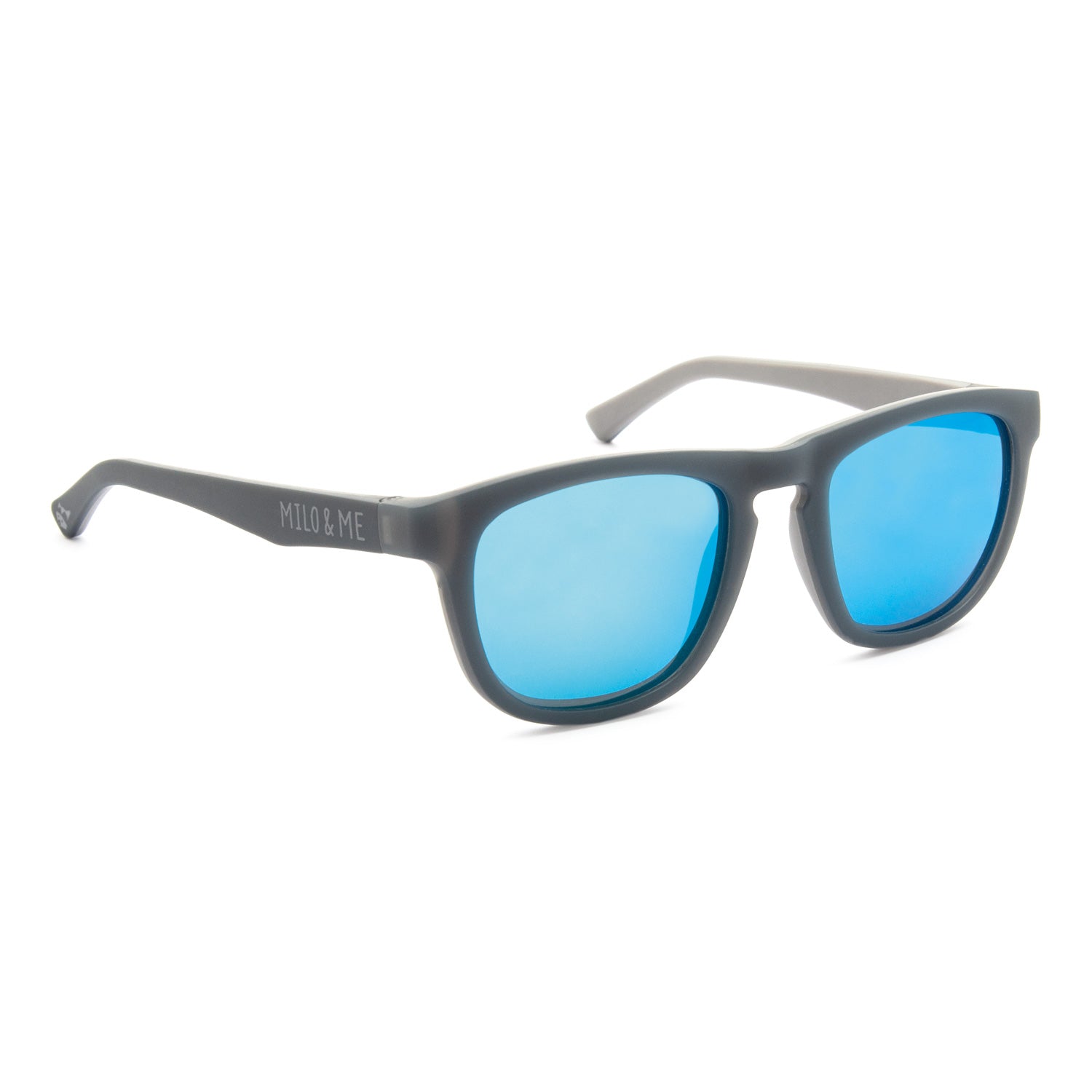
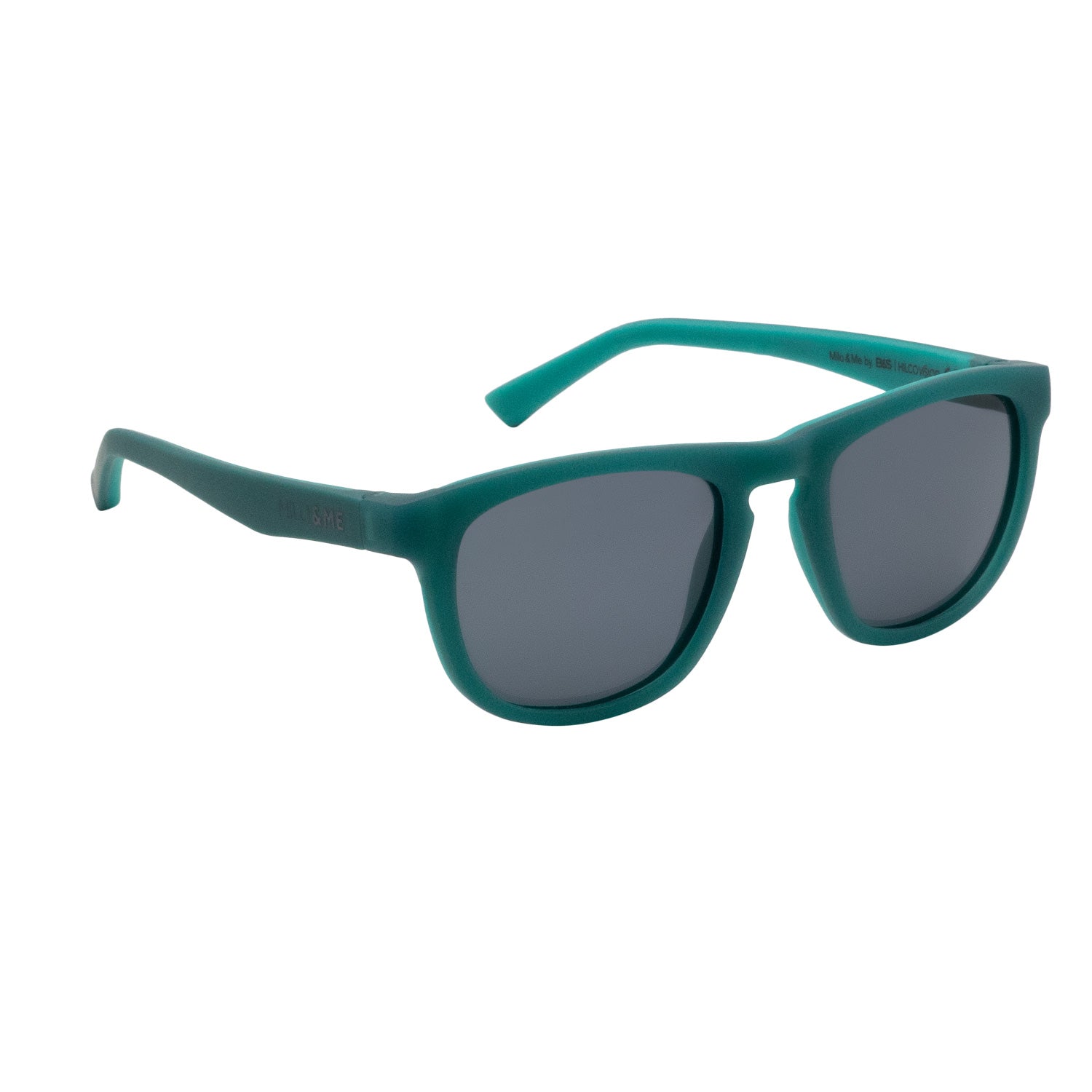
Now that you know what matters, you need a pair of glasses that delivers on all of it. Our baby sunglasses for 0 to 2 year olds were designed with exactly these requirements in mind:
- 100 % UV400 protection, UVA and UVB fully filtered
- Shatterproof, chemical-free plastic lenses
- BPA-free, skin-friendly materials
- Includes a matching headband for a secure fit
- Specially designed for the head shape of infants and toddlers
- Available in two age ranges: Jessie Sun (0 to 1 year) and Jessie Sun (1 to 2 years)
The sun doesn't wait. And neither do your little ones.