
How to Slow Myopia in Children
Is myopia dangerous in children?
Mild nearsightedness is usually not a problem for a child, but if the eyeball grows longer than 26 millimeters (normal: 23 mm), it can lead to problems later in life. Studies show that severe myopia in childhood (-6 diopters or more) increases the risk of developing serious vision impairment later on, most often due to myopic macular degeneration. Severe nearsightedness also raises the risk of retinal detachment and glaucoma. Early prevention is therefore strongly advised.
My child is nearsighted – what can I do?
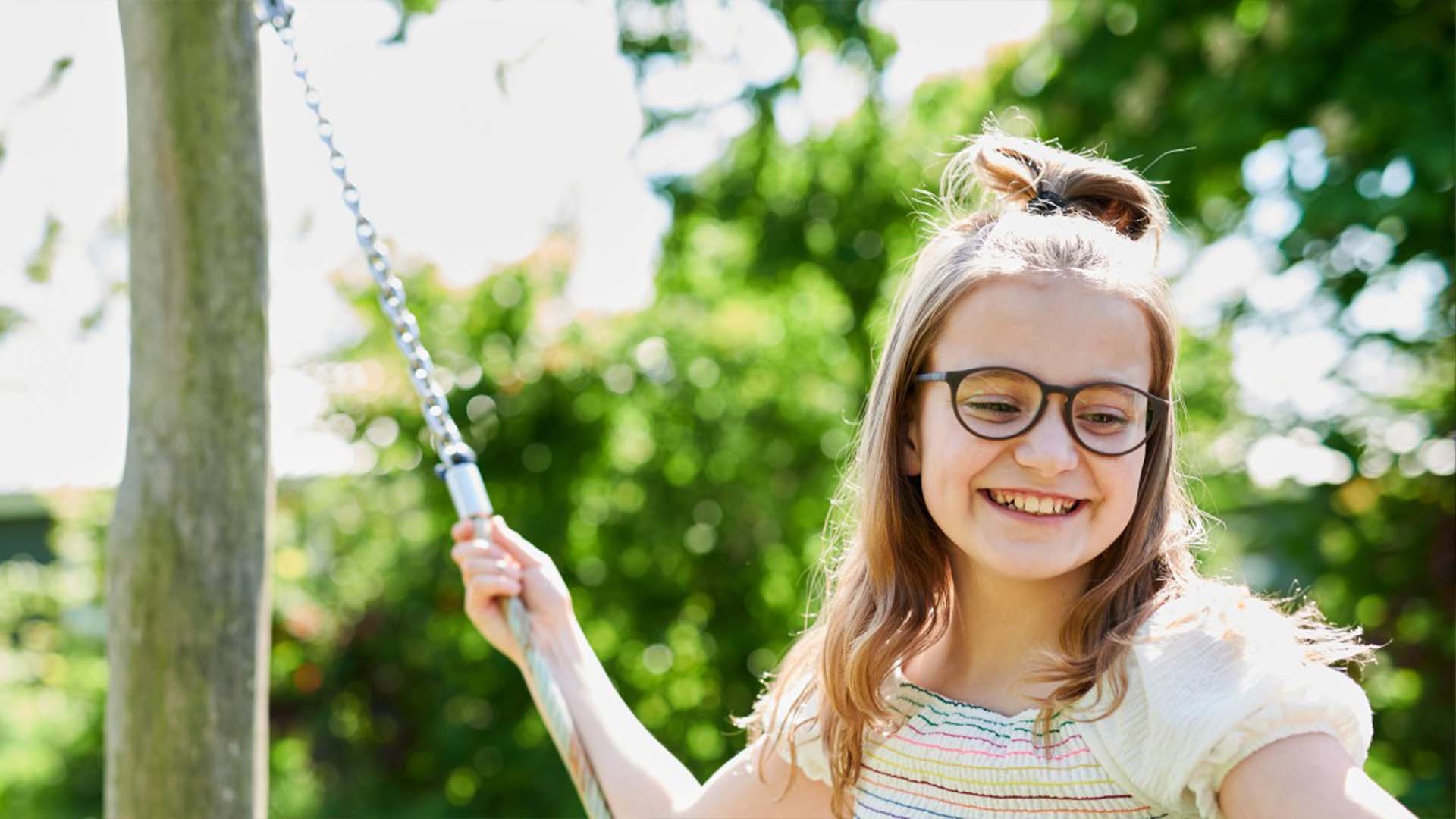
Alongside newer treatment options like atropine eye drops or special contact lenses, the right pair of glasses remains the first choice for treating existing nearsightedness in children. To avoid vision problems and headaches both in and outside of school, it's important for children to wear glasses that support them in every situation. That means a good pair of kids' glasses shouldn't just correct their vision, it should also be sturdy and flexible enough to keep up with everyday childhood activities.

Daylight is considered the best prevention
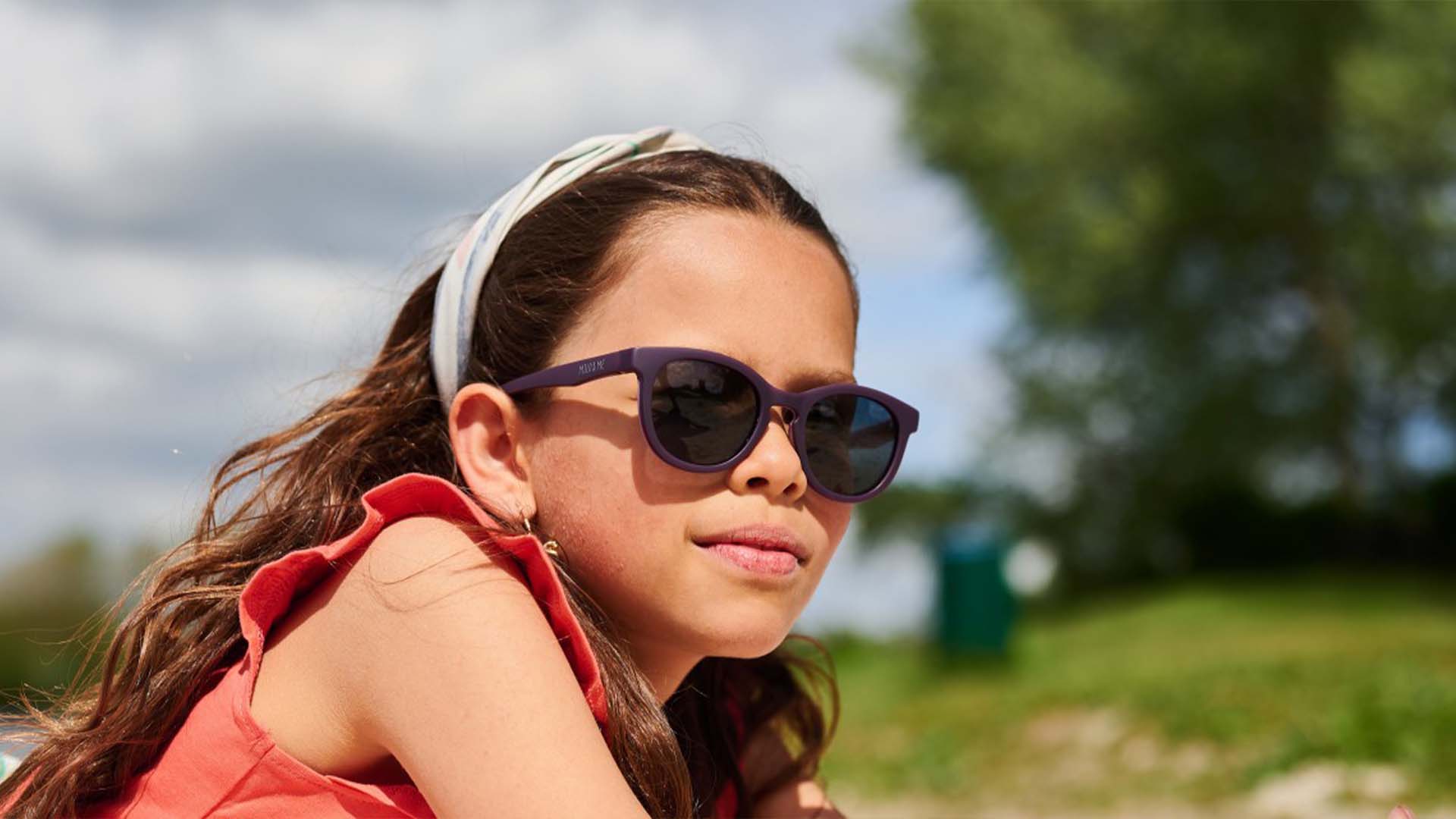
Unfortunately, children and teens are spending less and less time outdoors, where they get exposure to daylight and the chance to look into the distance. Experts say two hours or more outside each day is ideal for children's eyes and offers the best protection against nearsightedness. The risk of myopia in children rises by 33 percent when they spend less than an hour outside each day, and this affects city kids considerably more than children growing up in rural areas. Whenever possible, kids should walk to school, play outside during breaks or after school, and spend time in nature on weekends.
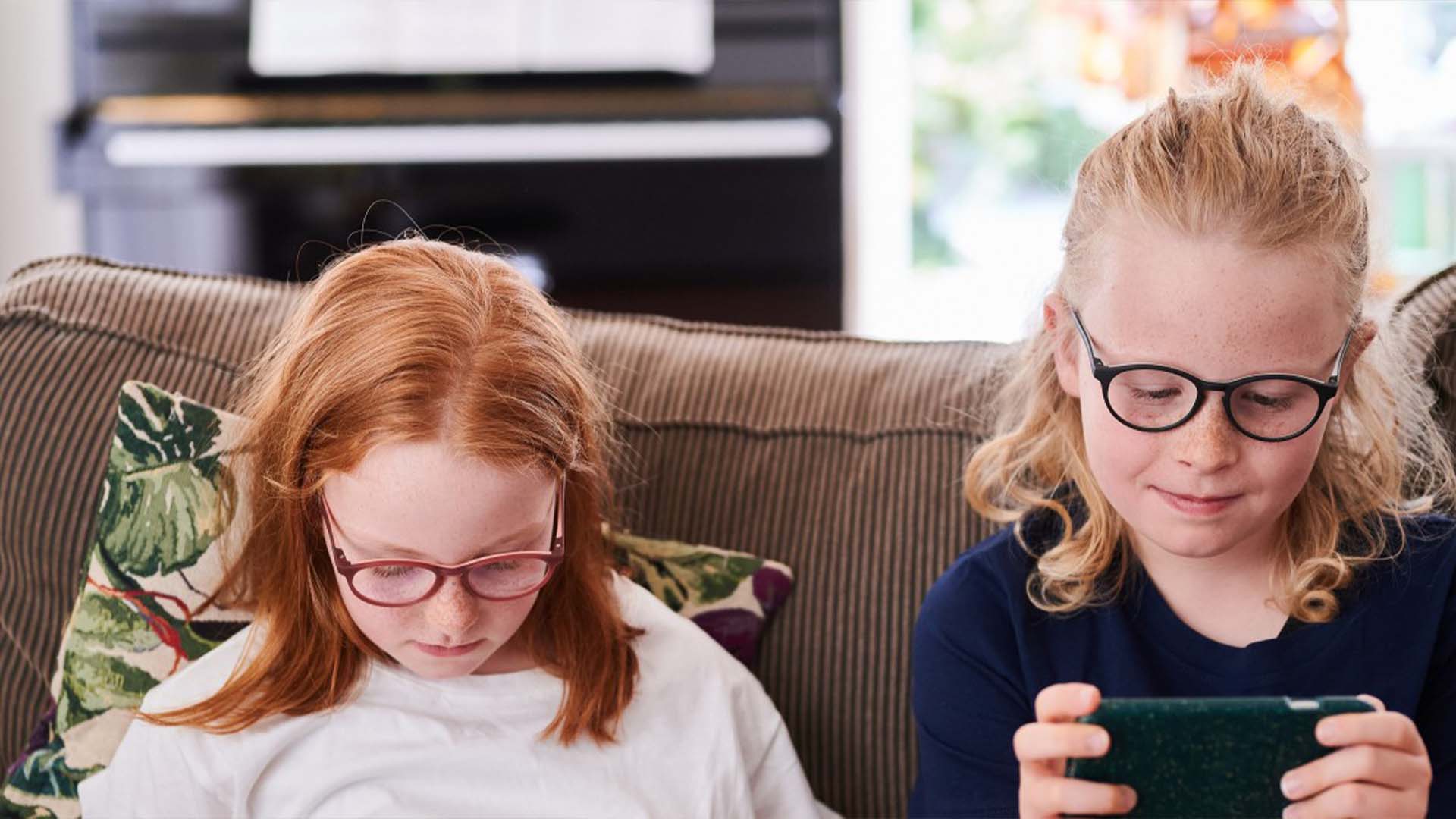
Two more helpful tips can help prevent (further) nearsightedness: the 20-20-2 rule:
- After 20 minutes of near-focus activities (like looking at a phone or tablet), have your child look into the distance for 20 seconds. This lets the eye muscles relax after being tensed for close-up focus.
- Make sure your child spends at least 2 hours outside every day, for example by walking or cycling to and from school, or playing actively during recess.
Unfortunately, nearsightedness can never be completely prevented (especially when there's a hereditary factor involved), but these tips can help you reduce the risk of severe myopia in your children, which can otherwise lead to vision impairment later in life.
,%20it%20can%20lead%20to%20problems%20later%20in%20lif...)